A Small Kindness Set the Pace
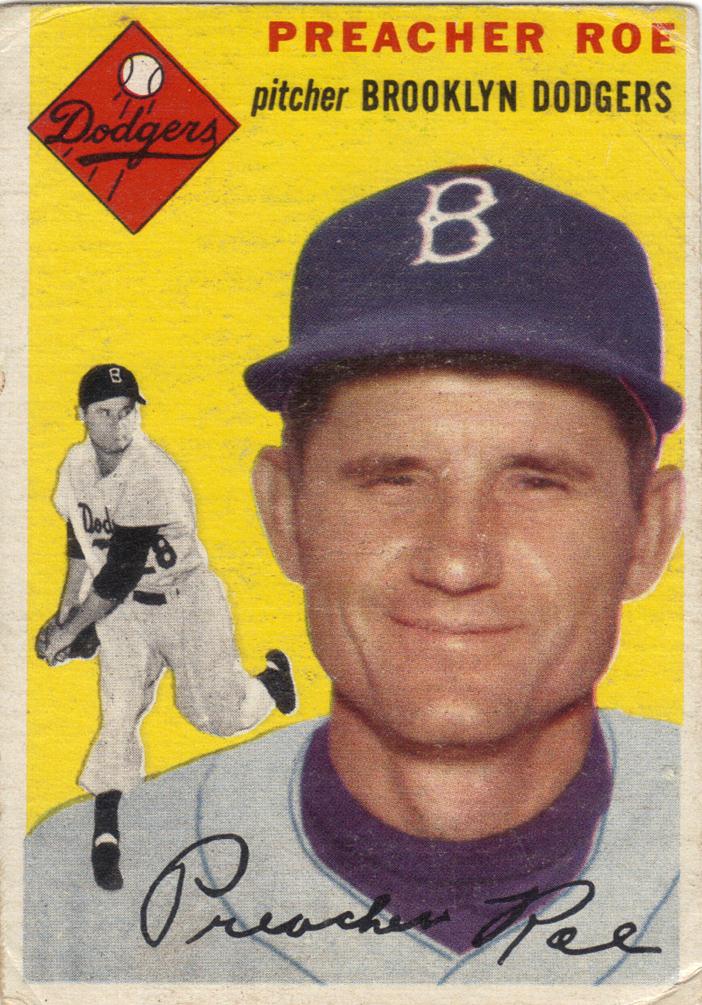
I keep in my curio cabinet, Preacher Roe’s 1954 baseball card as a reminder of a minister’s influence on even the youngest of hearts.
Elwin Charles Roe was born in the Ozark region of Arkansas in 1916. As a young child, a minister in their small community befriended the little boy, and gave him horse and buggy rides. One day the little boy was asked his name by an uncle returning from WWI. Elwin belted out “preacher,” and the nickname stuck throughout his lifetime of 92 years.
In baseball, Roe’s specialty was strikeouts and a low E.R.A. While still in college, he threw 26 strike-outs in a single extra innings game, gaining him national attention.
After a lengthy stint in the minors and WWII, Preacher Roe began 10 years in major league baseball.
At the close of his pitching career, Roe was one of the oldest men in baseball. When asked to explain his longevity, he replied "Clean livin' and the spitball."
Another one of his later quotes imparts good advice to all of us. Roe said: "Baseball was good to me and I won’t say anything bad about it or anyone in it."
Year to Begin at Hopewell
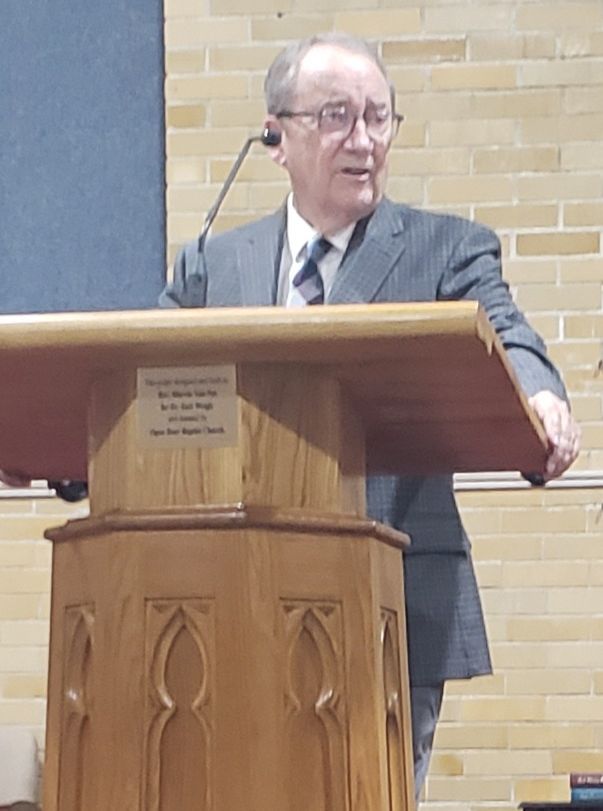
After a wonderful summer, we are looking forward to the sixteenth year on our beautiful campus. Teachers and students are excited to get back to school after the break.
The opening day chapel service for Heritage Baptist College will be held on Wednesday, September 2, 2026. The service will begin at 11:30 a.m. in the college chapel, and it will be followed by a wonderful lunch.
Dr. Dave Martin, from Cincinnati, will be the special preacher for the morning service. Dr. Martin is a talented friend, and he has taught at Heritage in past years.
Make plans to come and receive a blessing from the Lord!
A Revolutionary War Chaplain educated at Hopewell
Hezekiah Smith was greatly influenced by three men during his younger years. Born at Long Island, NY on April 21, 1737, he was converted through the ministry of John Gano (later George Washington’s chaplain). He received his early training from Isaac Eaton at Hopewell Academy (NJ), then he made a close friendship with James Manning who was his classmate at Princeton College, and later the first President of the first Baptist college in America (Rhode Island College – [Brown University]).
Hezekiah Smith served for 5 years as chaplain during the Revolutionary War. Leaving his church in Haverhill, MA he joined Washington’s 2nd (Foot) Regiment commanded by Colonel Reed. Because of the initial lack of qualified volunteers, Joel Headley records in The Chaplains and Clergy of the Revolution, Smith also acted in 1776 as the chaplain of the 4th Regiment under John Nixon. Hezekiah Smith served with distinction encouraging the troops, and he was a close friend of General Washington.
After the war, Hezekiah Smith returned to his church in MA, and finished his life by pastoring that church a total of 39 years. During his life, he had a great heart for the training of the next generation, and raised much money for the fledgling Baptist college in Rhode Island.
On one occasion, he traveled for 9 months raising funds for Rhode Island College and he is considered a founding father of the school. His donor ledger survives.
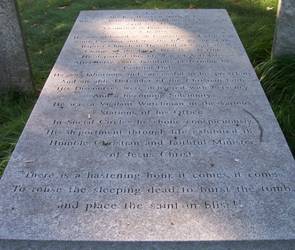
Hezekiah Smith’s wish was “not to outlive his usefulness.” He preached his last sermon from the text, John 12:24 (Except a corn of wheat fall into the ground and die, it abideth alone; but if it die, it bringeth forth much fruit.). He passed away a few days later, on January 22, 1805.
Revolutionary War Chaplain – A PK for Liberty
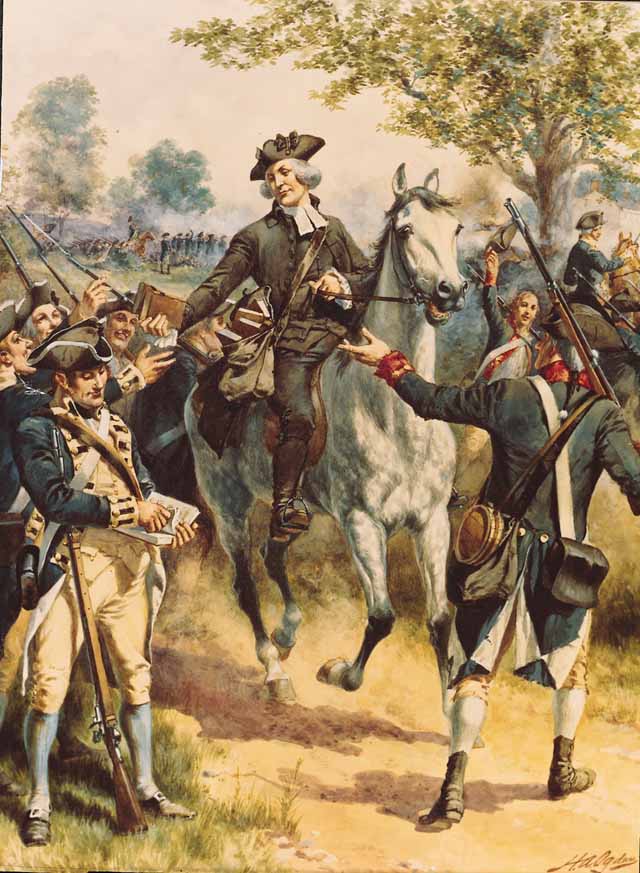
William Vanhorn was born on July 8, 1747 in Bucks County, Pennsylvania. William was the second son of a family that would number seven sons and one daughter.
At William’s birth, his father, Peter Vanhorn (1719-1789) had recently been converted out of an Episcopal background. As his father grew in the Lord, he would soon be called to preach.
William was the only one of the Baptist Brigade Chaplains to grow up as a PK (preacher’s kid). He attended the Baptist Academy in Lower Dublin (Philadelphia), and became the pastor of the Southhampton Baptist Church at age 25 in 1772. Throughout the Revolutionary War, the church retained his position as pastor. He would pastor the church for 13 years.
Of all the Revolutionary chaplains, less is known of William Vanhorn’s career in the military than any of the other five Baptist Brigade Chaplains. Thomas Armitage catalogs William Vanhorn’s service as a Revolutionary War chaplain with these words. “His life in the army appears to have been marked by consistency, piety and industry, rather than by stirring acts of enterprise and daring.” (pg. 795)
A few years after the close of the Revolutionary War, William Vanhorn was called to the Baptist church in Scotch Plains, NJ, where he ministered for 22 years. During this time he actively trained future ministers, including Obadiah Brown who would be the founding pastor of the First Baptist Church in the newly constructed city of Washington D.C.
At 60 years of age, William Vanhorn felt the call to head toward the West. On his way to Ohio, he became ill and passed on to heaven on October 31, 1807.